Cell separation
Research tools support the isolation and assessment of high-quality hematopoietic stem-cell populations.

Stem-cell research applications • Solution 06
Cell lines and assay tools supporting separation, characterization, quality assessment, and research across the stem-cell transplantation continuum.
Scientific objective first
Hematopoietic stem cells have long been studied for possible therapeutic applications. Umbilical cord blood joined bone marrow and peripheral blood as an important source and is subject to strict requirements when used in regulated contexts.
Research tools support the isolation and assessment of high-quality hematopoietic stem-cell populations.
Assays help investigators examine cell identity, purity, consistency, and suitability for the intended work.
Cell lines and complementary tools can support different stages of transplantation-focused research.
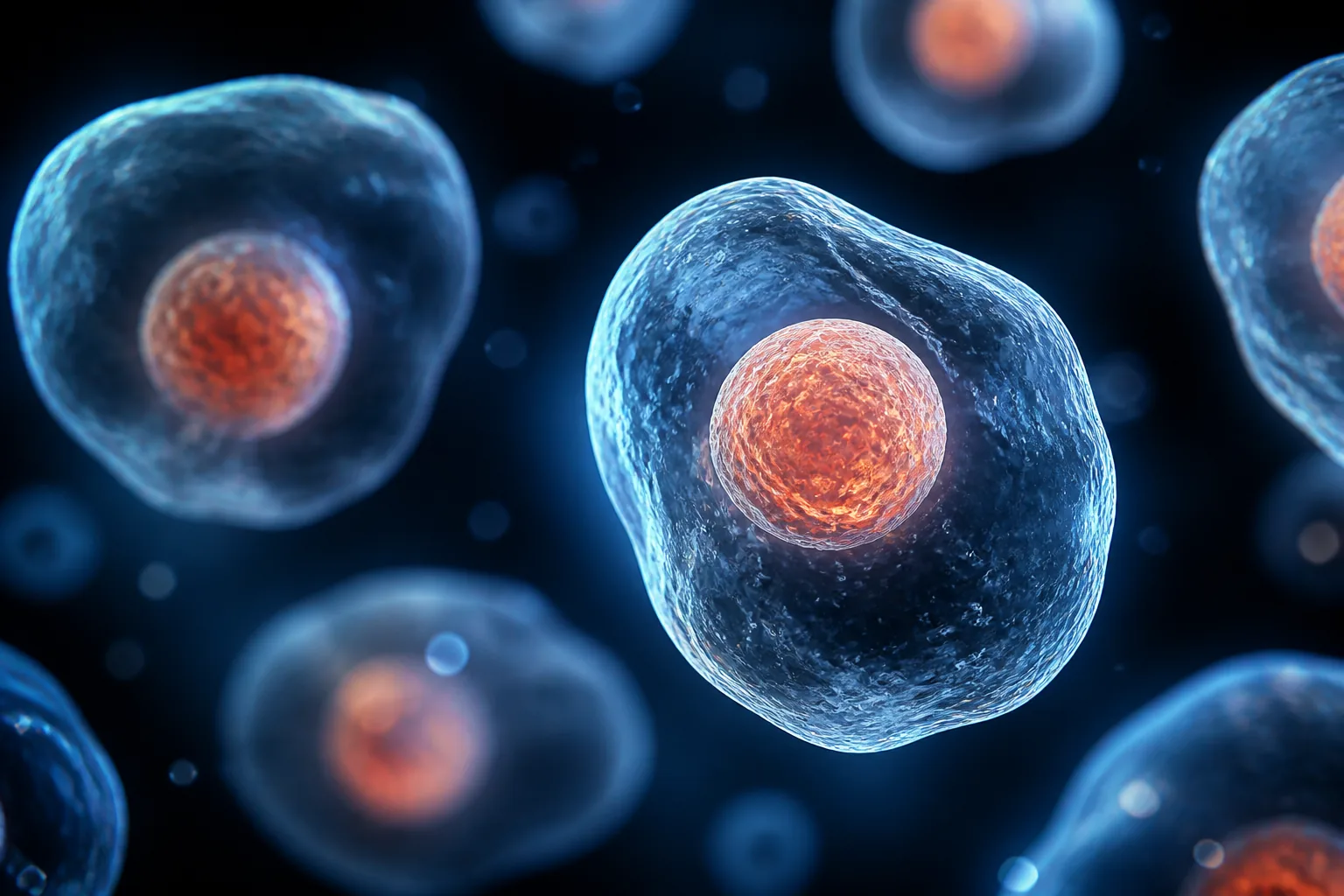
The research context
Stem cells are critical for scientific discovery and transplantation research, yet quality, identity, and purity can vary. Robust, reproducible work depends on consistent cell types and quantities. LeoCorps and affiliated companies offer human cell lines and a range of hematopoietic stem-cell therapy assays applicable to multiple stages of the research workflow.
Explore our standardsCell-therapy research areas
Explore the specialized research context, materials, and analytical priorities for each pathway.
Connected research support
Material sourcing, characterization, quality-focused preparation, and controlled delivery work together to protect research value.
Build around the research need
Share the scientific objective, cell or tissue type, donor requirements, assay needs, processing specifications, documentation, and timeline.